
The Core Crush Audit: Which 2026 Paddles Are Safe?
Last updated: April 26, 2026
Foam wins. Honeycomb is on borrowed time.
The 2026 paddles most resistant to core crush use either full foam construction or reinforced edge walls.
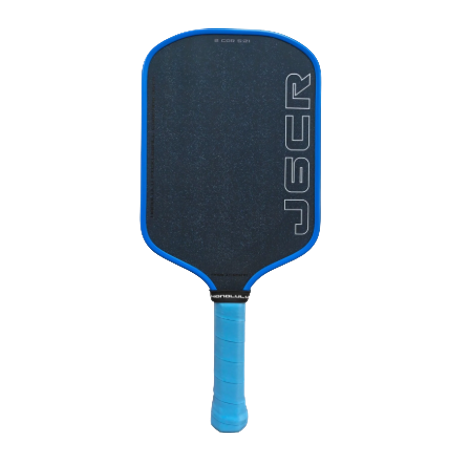
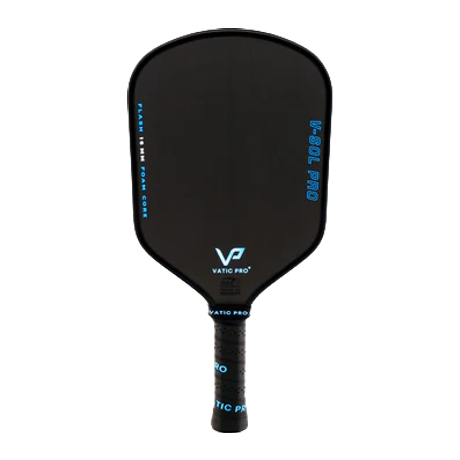
Top picks include the Selkirk LABS Project Boomstik (BoomCore PureFoam), the Honolulu CR and NF paddles (Gen 4.5 multi-density foam), and the Vatic V-SOL Pro Flash (Gen 4 EPP + EVA perimeter). Avoid older Gen 3 honeycomb paddles known for compression issues.
How we tested
Every paddle we cover goes through the same on-court protocol - individual play, head-to-head comparisons, and tournament use before anything gets written down. Every paddle below has a full review on the site; click through to see scores, specs, and the deal we found for each.
The rankings
Each category below links to the full review for that paddle.
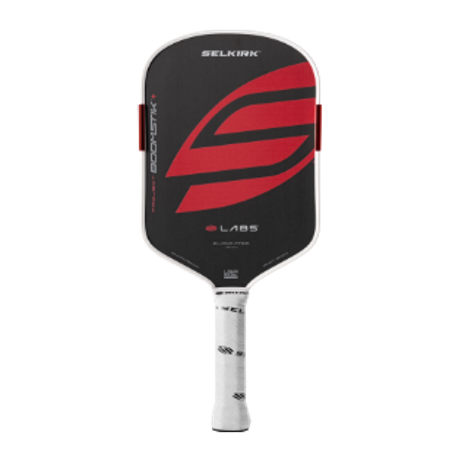
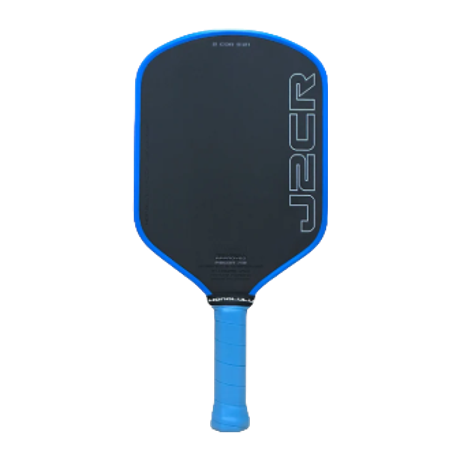
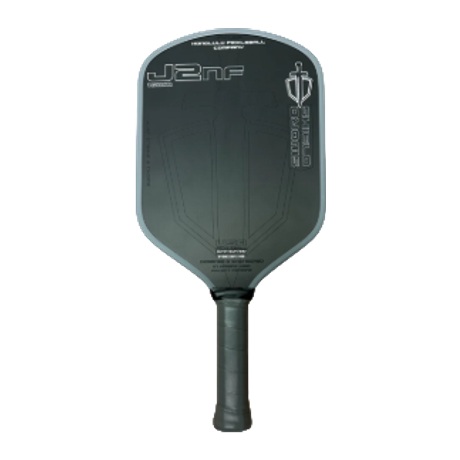
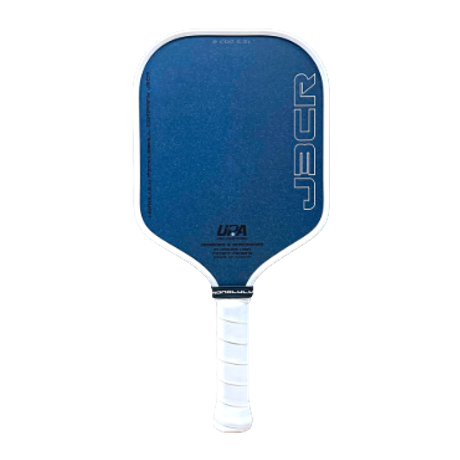
Codes on the shop buttons above match our /deals table. Most of our partner brands use PRH (HEAD uses PRH15). The buttons open our affiliate link; paste the code at checkout if the brand asks for it.
Shop Project Boomstik or J2CR with the live code
Each button is a tracked affiliate link at the sale price we list. Copy the code chip on the full review or use the code shown on the button label.
What is core crush?
Core crush happens when a paddle's polypropylene honeycomb core compresses unevenly with use. The result: hot spots, dead spots, inconsistent power, and a paddle that plays differently on Tuesday than it did on Monday.
In tournament play, core crush can also push a paddle outside USA Pickleball's deflection limits — meaning a paddle that was legal at purchase can become illegal after a few months of use. Players have been DQ'd at sanctioned events for this exact reason.
The 2025 paddle durability crisis exposed how widespread this issue was, especially among Gen 3 thermoformed paddles. In 2026, brands are racing to solve it.
How brands are solving core crush
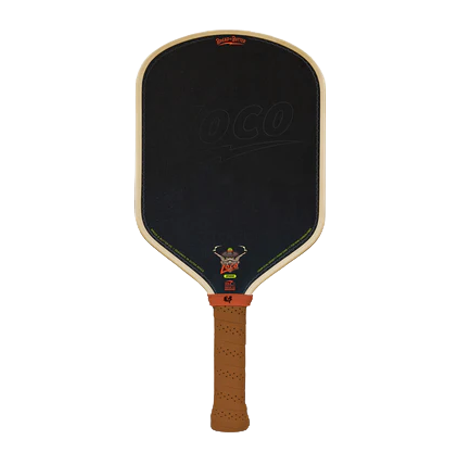
Three approaches are working. First, full foam cores (Gen 4): replacing honeycomb with EPP, MPP, or proprietary foam that doesn't compress the same way — Honolulu J2 series, 11SIX24 Vapor Power 2, Selkirk Boomstik. Second, reinforced edge walls: EVA foam perimeter rings or carbon-rib reinforcement around the core — JOOLA Pro IV with TFP foam injection, Bread & Butter Loco dual-foam. Third, carbon rib cores: replacing polypropylene entirely with carbon fiber ribs — immune to traditional core crush but more expensive.
Paddles that are safe in 2026
- Selkirk Boomstik — BoomCore PureFoam (very low risk).
- Honolulu J2CR / J2NF / J3CR Crystal Blue / J6CR Crystal Blue — Gen 4.5 foam-first constructions (very low risk).
- Vatic V-SOL Pro Flash — Gen 4 EPP + EVA Perimeter (low risk).
- Bread & Butter Loco — Dual-foam construction (low risk).
- CRBN TruFoam Barrage — TruFoam Void Core (very low risk).
- Cyclotron Alea 001 — ZOOMFOAM Elite EPP (low risk).
Paddles with some risk
- JOOLA Perseus Pro IV / Pro V — Propulsion Core has had documented crush issues in earlier generations. TFP foam helps, and JOOLA's 3-replacement warranty exists for a reason.
- Honolulu J3CR Crystal Blue — Gen 4.5 foam with the Crystal Blue endurance surface, so grit holds longer than a standard face.
- Six Zero Ruby — polymer honeycomb with Kevlar face. Same caveat.
What to do if you have a paddle with core crush risk
- Register your warranty immediately — most brands require registration within 30 days.
- Check your paddle for hot spots — listen for inconsistent sound on contact across the face.
- Use the official USAP testing standards if you compete — paddle approval can be revoked.
- Don't store paddles in hot cars — heat accelerates core compression.
- Consider replacing every 12-18 months if you play heavily on a Gen 3 honeycomb paddle.
Bottom line
The shift to Gen 4 foam cores in 2026 has dramatically reduced core crush as an industry-wide concern. If you're buying a new paddle this year, foam construction is the safer bet. If you already own a Gen 3 honeycomb paddle, register your warranty and pay attention to performance changes. The era of paddles dying in 90 days is ending.
Frequently Asked Questions
What is the bottom line of The Core Crush Audit: Which 2026 Paddles Are Safe??
The 2026 paddles most resistant to core crush use either full foam construction or reinforced edge walls. Top picks include the Selkirk LABS Project Boomstik (BoomCore PureFoam), the Honolulu CR and NF paddles (Gen 4.5 multi-density foam), and the Vatic V-SOL Pro Flash (Gen 4 EPP + EVA perimeter). Avoid older Gen 3 honeycomb paddles known for compression issues.
Which paddles does The Core Crush Audit: Which 2026 Paddles Are Safe? recommend?
This guide ranks or compares: Safest Power Pick; Safest All-Around; Safest Control; Safest Forgiving Crystal Blue. Each one links to its full review.
Where do I find active pickleball promo codes for these paddles?
Use PaddleReviewHub’s deals page for verified codes (often PRH). Brand promo landings under /promo list how to apply the code at checkout. Always re-check the brand cart total before paying.
How current is The Core Crush Audit: Which 2026 Paddles Are Safe??
Last editorial stamp: April 26, 2026. We update rankings and codes when new paddles, certifications or partner discounts change, so check /deals before checkout.
Related guides
Paste the code at checkout, then buy.
Brands on this page: Honolulu, Vatic Pro, Bread & Butter. Codes are on each shop button and on /deals.