
Gen 3 vs Gen 4 Pickleball Paddles
Last updated: April 14, 2026
What changed, what matters, and what to buy.
Gen 3 usually refers to the power-paddle era: polymer or honeycomb-based cores enhanced with foam, propulsion, or thermoforming for more rebound.
Gen 4 usually refers to foam-first paddles that replace or heavily reduce traditional honeycomb construction. Gen 3 tends to feel hotter and riskier; Gen 4 tends to feel more consistent, more dampened, and safer for long-term durability.
How we tested
Every paddle we cover goes through the same on-court protocol - individual play, head-to-head comparisons, and tournament use before anything gets written down. Every paddle below has a full review on the site; click through to see scores, specs, and the deal we found for each.
The rankings
Each category below links to the full review for that paddle.
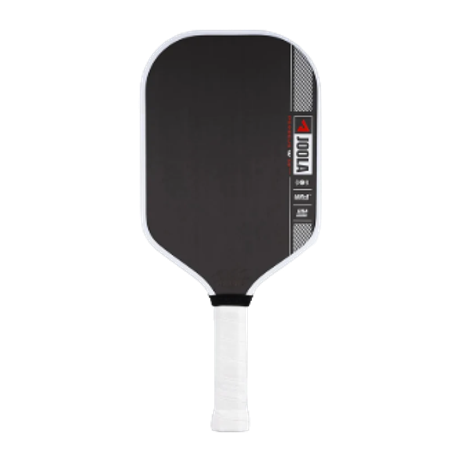
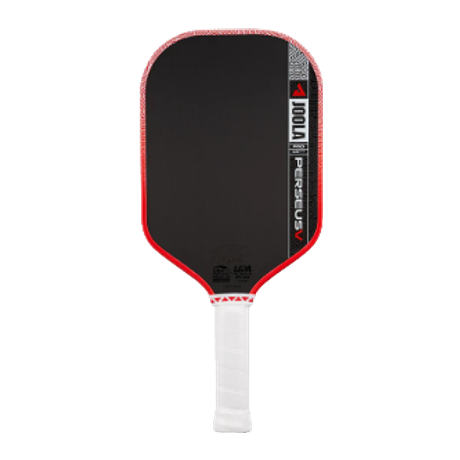
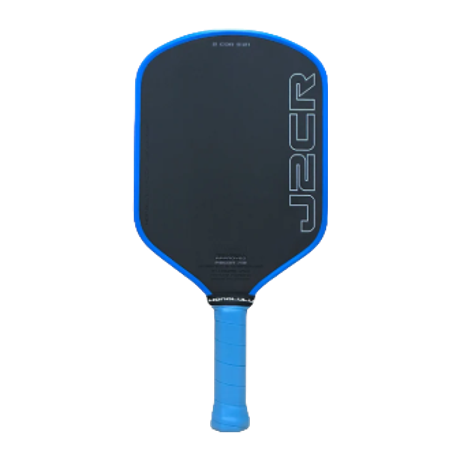
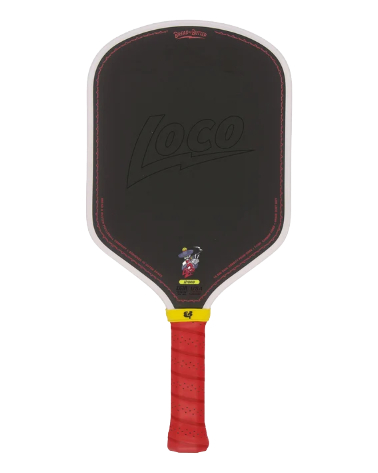
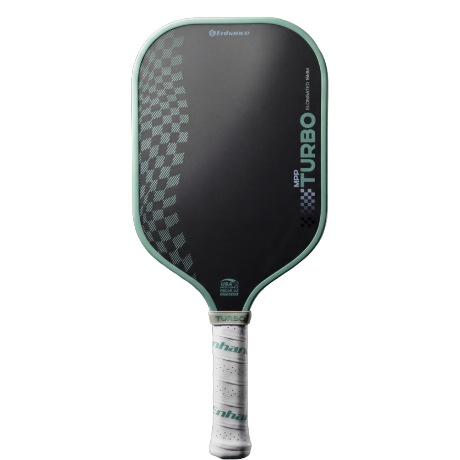
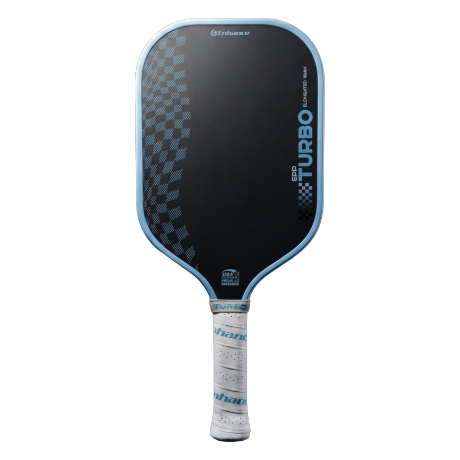
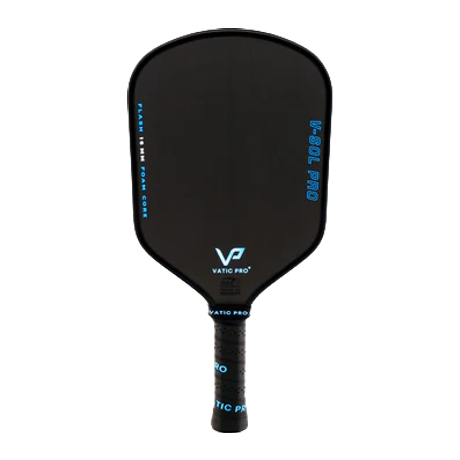
Codes on the shop buttons above match our /deals table. Most of our partner brands use PRH (HEAD uses PRH15). The buttons open our affiliate link; paste the code at checkout if the brand asks for it.
Shop Perseus Pro IV or Perseus Pro V with the live code
Each button is a tracked affiliate link at the sale price we list. Copy the code chip on the full review or use the code shown on the button label.
The labels are not official classes
Gen 3 and Gen 4 are industry shorthand. They are useful, but they are not the same thing as USAP approval, UPA-A approval, or tournament legality. Always check the exact paddle model if you are playing sanctioned events.
Think of the terms as construction eras. Gen 3 was the power breakthrough. Gen 4 is the foam-core response to that breakthrough.
What Gen 3 means
In common paddle language, Gen 3 usually means a power-focused paddle that still relies on a polymer or honeycomb-style core but adds foam channels, propulsion structures, thermoforming, or other rebound-enhancing design. The goal is more pop, more exit speed, and more free power.
The upside is obvious: Gen 3-style paddles can hit hard. The downside is that hotter construction has historically created more questions around consistency, core crush, and certification stability.
What Gen 4 means
Gen 4 usually means foam-first construction. Instead of relying primarily on a polypropylene honeycomb grid, these paddles use EPP, MPP, EVA, proprietary foam, or dual-foam builds to create a more consistent striking structure.
The goal is not just power. The best Gen 4 paddles try to combine power with dwell, vibration dampening, a bigger sweet spot, and better resistance to core breakdown.
How they feel different
- Gen 3: hotter, louder, more explosive, and often more demanding on resets.
- Gen 4 EPP: denser, more planted, more controlled, and generally easier to trust.
- Gen 4 MPP: livelier and more trampoline-like than EPP, but still foam-first.
- Hybrid foam builds: often split the difference with foam stability and traditional paddle feedback.
Durability and core crush
This is the biggest reason Gen 4 became such a big deal. Traditional honeycomb-style cores can compress unevenly with heavy use, creating hot spots, dead spots, and inconsistent response. Foam-first paddles are not magic, but they are designed to reduce that specific failure mode.
If you play often, the safer durability bet is usually a well-built Gen 4-style paddle. If you love a specific Gen 3-style paddle, register the warranty and monitor performance changes over time.
Which should you buy?
- Buy Gen 4 if you want the safest modern recommendation for most players.
- Buy Gen 4 EPP if you want control, stability, and a planted feel.
- Buy Gen 4 MPP if you want foam construction with more pop and liveliness.
- Buy Gen 3-style power if you specifically want maximum rebound and do not mind a more demanding paddle.
- Do not buy by generation label alone; buy by tested performance, price, warranty, and approval status.
What our own scores say across 116 paddles
The labels are marketing, but the difference they describe is measurable. We have scored 109 foam-core paddles and 7 that still use a honeycomb or polymer core without foam. The foam group averages 8.72 overall; the honeycomb group averages 8.31. The best foam paddle we have tested scores 9.5; the best honeycomb one scores 8.8.
Broken out by category, foam wins almost everywhere — and the exception is the interesting part.
- Power — foam 8.76, honeycomb 8.07.
- Pop — foam 8.70, honeycomb 7.84. The largest gap of the six.
- Spin — foam 8.96, honeycomb 8.64.
- Maneuverability — foam 8.61, honeycomb 8.06.
- Forgiveness — foam 8.34, honeycomb 8.00.
- Control — foam 8.34, honeycomb 8.33. A dead tie.
Control is the one thing honeycomb did not lose
Every category above moved to foam except control, where the two are level to within 0.01. That is worth knowing if you are being told a honeycomb paddle is simply outdated, because on the axis that decides drops, dinks and resets, it is not.
The clearest example in our catalogue is the Luzz Glider 2026, the highest-scoring non-foam paddle we have tested at 8.8. Its core is 8mm PP honeycomb with structural reinforcement, and it posts 9.0 control and 9.3 maneuverability — numbers most foam paddles at its $101.15 price do not reach. What it gives up is exactly what the table predicts: 7.8 power and 7.5 pop, the softest numbers in its price band.
So the honest framing is not that foam replaced honeycomb, it is that foam bought power, pop and spin, and charged nothing for control. If you are a soft-game player, a good honeycomb paddle is not a downgrade. If you finish points with pace, it is.
Bottom line
For most players shopping in 2026, Gen 4 is the safer recommendation. The Honolulu J2CR is the best all-around example, the Bread & Butter Loco is the best attacking example, and the Enhance MPP Turbo is the best budget pop example. Gen 3-style paddles still have a place for power-first players, but the market is clearly moving toward foam-first consistency.
Frequently Asked Questions
What is the difference between Gen 3 and Gen 4 pickleball paddles?
Gen 3 generally means a polymer or honeycomb core enhanced with thermoforming, foam walls or propulsion for more rebound. Gen 4 generally means a foam-first core that replaces or heavily reduces the honeycomb. Neither is an official class. In our testing foam-core paddles average 8.72 overall against 8.31 for honeycomb, and win on power, pop, spin, forgiveness and hand speed.
Is Gen 4 better than Gen 3?
On five of the six categories we score, yes — foam leads by 0.3 to 0.9 points on power, pop, spin, forgiveness and maneuverability. On control the two are level: foam averages 8.34 and honeycomb 8.33. So a good honeycomb paddle is still competitive for a soft-game player, and behind for anyone who finishes points with pace.
Do Gen 4 foam paddles last longer?
That is the claim, and the reasoning is sound: a foam core has no honeycomb cells to collapse, so the core-crush failure that kills thermoformed Gen 3 paddles is less likely. Foam paddles are recent enough that long-term data is still developing, so treat it as well-founded rather than proven, and check the warranty term before buying either type.
What is core crush?
Core crush is when the cells inside a honeycomb core collapse from repeated impact, usually near the edges. The paddle goes dead in that area, loses pop, and can start to sound and feel hollow. It is the most common way a thermoformed Gen 3 paddle fails, and it is the main durability argument for foam.
Should I buy a Gen 3 or Gen 4 paddle in 2026?
Gen 4 foam for most players — it is where the best paddles now sit, including every paddle we score above 8.8. Consider a honeycomb paddle if you are a control-first player who likes a softer, more planted feel: the Luzz Glider 2026 at $101.15 posts 9.0 control and 9.3 maneuverability, which most foam paddles at that price do not match.
Related guides
Paste the code at checkout, then buy.
Brands on this page: JOOLA, Honolulu, Bread & Butter, Enhance, Vatic Pro. Codes are on each shop button and on /deals.