
Where to Add Weight to a Pickleball Paddle
Last updated: April 30, 2026
A simple lead-tape guide that won't ruin the feel.
For most players, the best place to add weight is at 3 and 9 o'clock on the paddle face.
Start with 2–4 grams total, play a full session, then adjust. This adds stability and makes the sweet spot feel bigger without significantly slowing the paddle. Avoid stacking weight at 12 o'clock unless you specifically want a heavier, more powerful swing.
How we tested
Every paddle we cover goes through the same on-court protocol - individual play, head-to-head comparisons, and tournament use before anything gets written down. Every paddle below has a full review on the site; click through to see scores, specs, and the deal we found for each.
The rankings
Each category below links to the full review for that paddle.
Codes on the shop buttons above match our /deals table. Most of our partner brands use PRH (HEAD uses PRH15). The buttons open our affiliate link; paste the code at checkout if the brand asks for it.
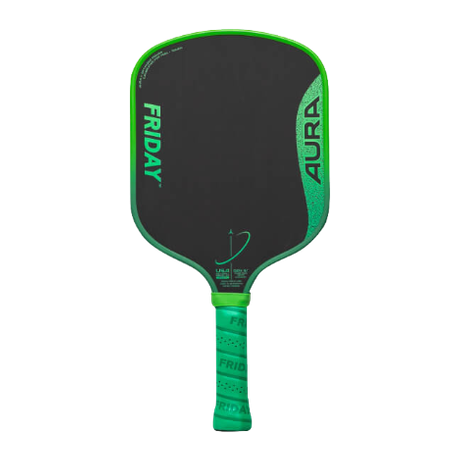
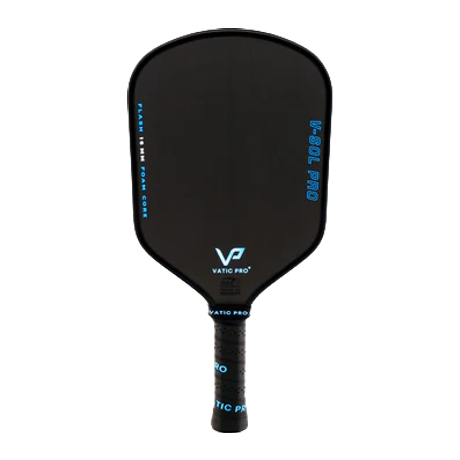
Shop Friday Aura Widebody or Vatic V-SOL Pro Flash with the live code
Each button is a tracked affiliate link at the sale price we list. Copy the code chip on the full review or use the code shown on the button label.
The biggest mistake players make
Adding too much weight, too fast.
A paddle can go from "more stable" to "why are my hands always late?" in 10 grams. The best lead tape strategy is boring on purpose — add a small amount, play with it, then adjust based on what you actually feel on court.
Step 1: Know what you're trying to fix
Before adding any weight, ask what problem you're solving:
- Paddle twists on mishits — add weight at 3 and 9.
- Sweet spot feels small — add weight at 3 and 9.
- Drives feel underpowered — try 10 and 2, or a small amount at 12.
- Paddle feels too head-heavy — counterbalance under the grip.
- Hands feel late — don't add weight at the head, try the throat.
Step 2: Where to add weight
3 and 9 o'clock — the default for most players. Adding 2–4 grams at the 3 and 9 positions on the paddle face increases twist weight (paddle stays straighter on off-center hits), expands the perceived sweet spot, and adds plow-through without making the paddle head-heavy. Best for improving forgiveness and stability on any paddle. This is where to start on a light-swinging frame like the Friday Aura Widebody (~106.5 swing weight) or any paddle that feels twitchy.
10 and 2 o'clock — more power, still stable. Moving weight slightly higher up the face adds more power and plow-through than 3 and 9, while keeping reasonable stability. Best for players who want more drive depth without the extreme head-heavy feel of 12 o'clock weighting.
12 o'clock — maximum power, biggest swing-weight jump. Adding weight at the very top of the paddle creates the largest power increase but also the most noticeable change in swing weight and balance. Best for aggressive baseline players who already have fast hands and want more plow-through. Skip this if your paddle already feels heavy.
Throat / lower sides — stability without slowing the head. Adding small amounts at the throat (just above the handle) gives you minor stability gains without affecting the paddle head's speed. Best for players who like their paddle's current head-speed but want a small stability bump.
Handle — counterbalance. If you've already added weight to the head and the paddle now feels too head-heavy, adding weight under the grip shifts balance back toward your hand and reduces forearm fatigue. Also useful for players managing tennis elbow.
Step 3: How much to start with
Start with 2–4 grams total. That's it.
Most players notice changes in just a few grams. Lead tape is sold in calibrated strips that make this easy — half-gram or 1-gram strips at 3 and 9 mirrored on both sides equals 2 grams total. Play a full session, evaluate, then add more if needed.
Step 4: Mirror both sides
If you're adding weight to the paddle face or edge, keep it symmetrical unless you know exactly what you're doing. Asymmetric weighting creates unpredictable response on different swing angles. Both sides at 3 and 9, or neither.
Step 5: Test with real shots
Don't just shadow swing in your kitchen. Test the weighted paddle in actual play conditions:
- Dinks — does the soft game still feel right?
- Resets — does the paddle still absorb pace?
- Blocks — does it twist less on hard incoming shots?
- Drives — do you feel more plow-through?
- Hands battles — are you still able to react fast?
- Serves — does depth feel different?
Step 6: Stop when it feels stable, not heavy
The goal is not to make the paddle heavier. The goal is to make the paddle play better for your game.
Most players land in the 4–8 gram total range. Some need just 2 grams. A few want 10+. Anything past 10 grams is a red flag — at that point you should be looking at a different paddle, not modifying the one you have.
Paddle-specific recommendations
Some paddles benefit more from weighting than others. Based on the picks above:
- Worth weighting — Friday Aura Widebody (~106.5 swing weight stock, so it feels quick but a little unstable on off-centre contact; 2–4g at 3 and 9 buys real stability without making it sluggish).
- Worth weighting — Vatic V-SOL Pro Flash (1–2g of perimeter weighting helps the sweet spot feel more consistent).
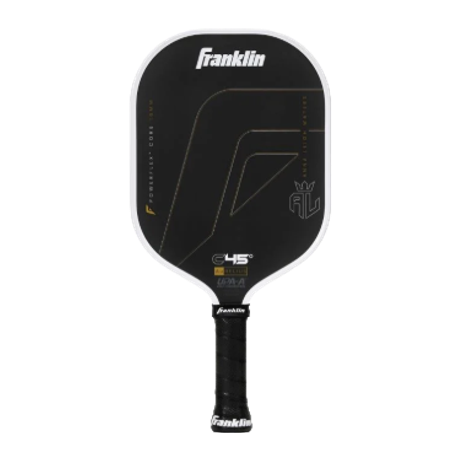
- Worth weighting — Franklin C45 Aurelius (ultra-light frame benefits from a small stability bump).
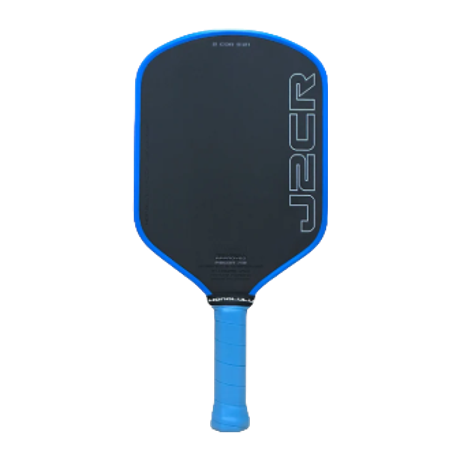
- Already tuned — Honolulu J2CR / J2NF / J2CR Crystal Blue (already have 7.0+ twist weights and balanced specs out of the box).
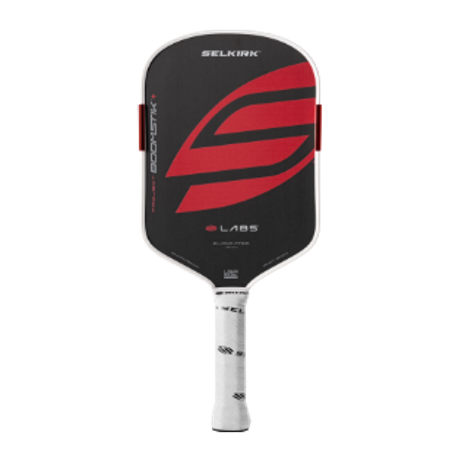
- Already tuned — Selkirk Boomstik (comes pre-weighted with the MOI Tuning System).
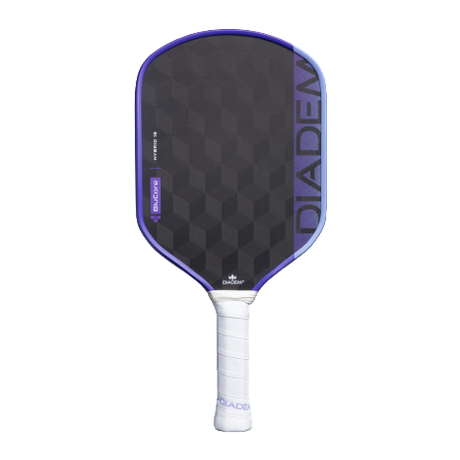
- Already tuned — Diadem Edge BluCore Hybrid (designed with strategic corner weight removal already built in).
Bottom line
Most players should start with 2–4 grams of lead tape at 3 and 9 o'clock. This is the safest, highest-return modification you can make. Test, evaluate, then adjust slowly. The goal is to make the paddle play better — not to make it heavier.
If you find yourself needing more than 8 grams to make a paddle feel right, that's a signal the paddle isn't the right match for your game. Try a different paddle instead of fighting the one you have.
Frequently Asked Questions
What is the bottom line of Where to Add Weight to a Pickleball Paddle?
For most players, the best place to add weight is at 3 and 9 o'clock on the paddle face. Start with 2–4 grams total, play a full session, then adjust. This adds stability and makes the sweet spot feel bigger without significantly slowing the paddle. Avoid stacking weight at 12 o'clock unless you specifically want a heavier, more powerful swing.
Which paddles does Where to Add Weight to a Pickleball Paddle recommend?
This guide ranks or compares: Worth Weighting (Twitchy); Worth Weighting (Budget); Worth Weighting (Light Frame); Already Tuned (Foam). Each one links to its full review.
Where do I find active pickleball promo codes for these paddles?
Use PaddleReviewHub’s deals page for verified codes (often PRH). Brand promo landings under /promo list how to apply the code at checkout. Always re-check the brand cart total before paying.
How current is Where to Add Weight to a Pickleball Paddle?
Last editorial stamp: April 30, 2026. We update rankings and codes when new paddles, certifications or partner discounts change, so check /deals before checkout.
Related guides
Paste the code at checkout, then buy.
Brands on this page: Friday Pickleball, Vatic Pro, Honolulu, Diadem. Codes are on each shop button and on /deals.